
Standard Chartered CET1 Ratio Falls to 13.8% in Q3 2026
 Bitget2026/10/28 10:30
- Standard Chartered’s Q3 2026 report showed its CET1 ratio fell 31 basis points to 13.8%, primarily driven by shareholder distributions.
- The CET1 ratio remained 3.6 percentage points above the regulatory minimum; that requirement will fall 30 basis points from January 1, 2027.
- Risk-weighted assets rose $1.8 billion from June 30 to $263.27 billion, driven by credit risk growth.
- The leverage ratio declined 11 basis points to 4.6%, remaining above its 3.7% minimum requirement.
- Liquidity coverage slipped to 156.6% from 158%; the net stable funding ratio declined to 135.1% from 137.2%.
Disclaimer: The content of this article solely reflects the author's opinion and does not represent the platform in any capacity. This article is not intended to serve as a reference for making investment decisions.
You may also like
Japan's 20-year government bond auction sees weak demand as bid-to-cover ratio drops sharply to 3.64, marking the lowest demand of the year
Japan's 20-year government bond auction saw weak demand, with the bid-to-cover ratio falling to 3.64 and the tail widening to its largest in a year. The market is concerned about fiscal budget issues and rising yields.
Google-backed AI pharmaceutical company raises $5 billion in funding, doubling the previous round
The current funding round for Isomorphic Labs is co-led by top VCs including Sequoia Capital and Andreessen Horowitz. This round comes only six months after the previous $2.1 billion Series B, with the scale more than doubling. By 2026, total financing in the AI pharmaceutical sector has reached a record high of $23.2 billion, with Anthropic and OpenAI also entering the field.
Japanese stocks closed up by 0.28%
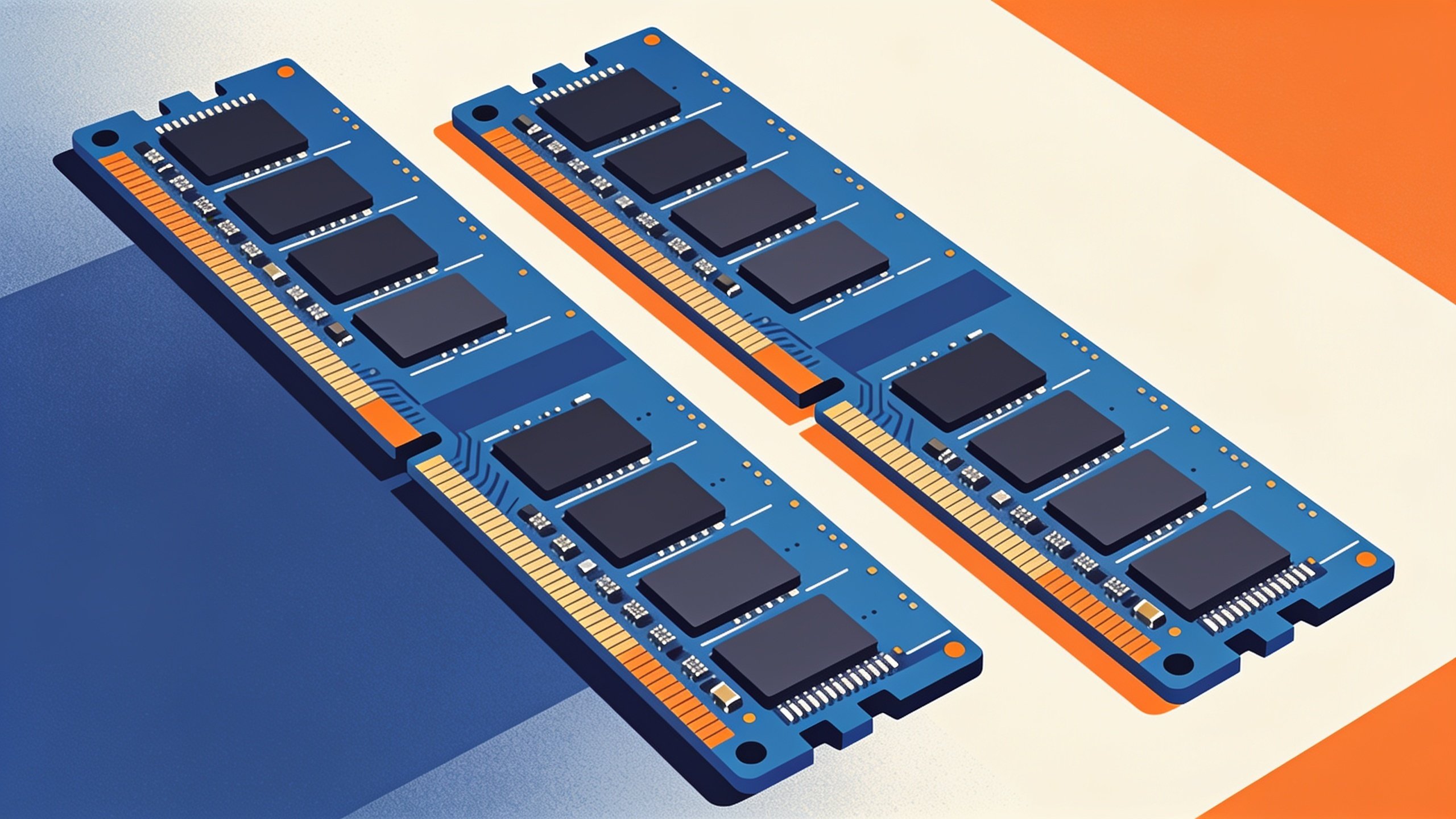
Report: Apple Plans to Establish Multi-Year DRAM Agreement with Samsung, Deliveries to Begin in First Half of 2027
Apple and Samsung are in negotiations for a long-term DRAM chip supply agreement lasting four to five years, with deliveries expected to start in the first half of 2027. The agreement is expected to include a minimum supply commitment and set pricing linked to the market. Currently, Apple is one of the few major tech companies that have yet to sign a long-term DRAM supply deal with Samsung.
Crypto prices
More


