

The de-escalation of US-China trade tensions and increasing likelihood of a trade deal are serving as positive catalysts for cryptocurrency prices, with Bitcoin rising 2% and major altcoins like Ether and Solana gaining up to 4% following recent announcements.
-
US President Donald Trump confirms meeting with China’s Xi Jinping at APEC summit.
-
De-escalation follows previous tariff announcements that triggered massive crypto liquidations.
-
Crypto Fear and Greed Index at 22 signals extreme fear, but analysts predict short-term recovery with intact bull trend; market cap rebounded amid optimism.
Discover how US-China trade de-escalation boosts crypto prices. Bitcoin and altcoins rally on trade deal hopes. Stay informed on market impacts and expert insights—read now for investment strategies.
What is the impact of US-China trade de-escalation on cryptocurrency prices?
US-China trade de-escalation is positively influencing cryptocurrency prices by easing global economic uncertainties that previously pressured risk assets. Following President Donald Trump’s confirmation of an upcoming meeting with China’s President Xi Jinping, Bitcoin surged approximately 2%, while Ether and BNB each climbed about 3.5%. This shift from escalating tariffs to dialogue has restored some investor confidence, reversing a recent downturn triggered by trade war fears.
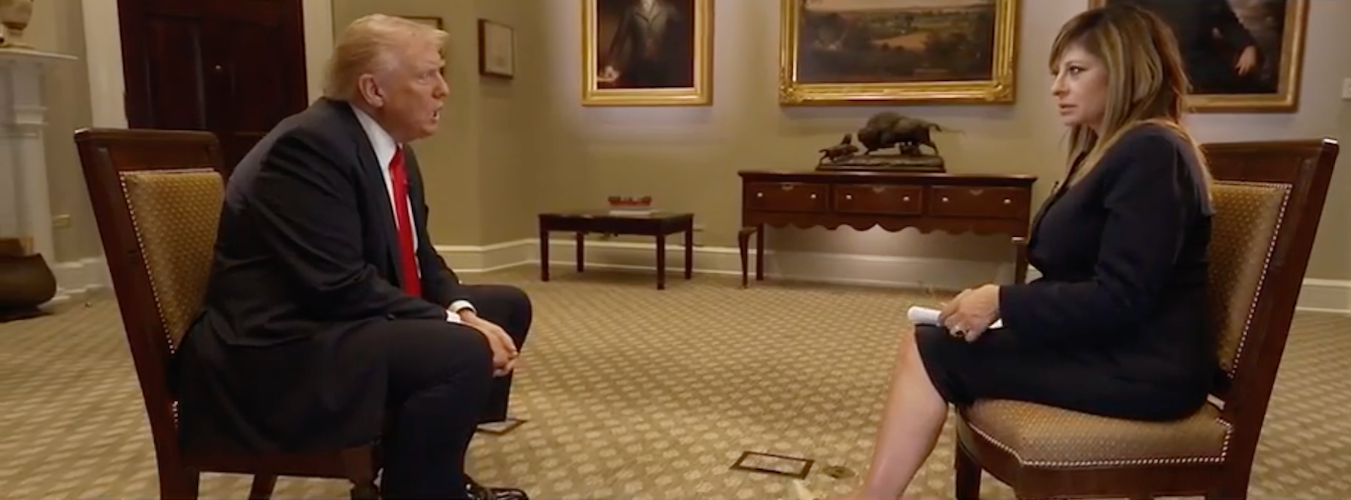 Donald Trump talks to Maria Bartiromo about the upcoming meeting with Xi Jinping and settling trade disputes between the two countries. Source: Fox News
Trump’s remarks on Sunday, October 27, 2019, highlighted a more conciliatory tone toward China, stating that Xi is a “very strong leader” and expressing optimism for a “fair deal.” This comes after earlier statements that dismissed the need for a meeting, which coincided with new tariff threats and led to a sharp crypto market decline. The initial backlash wiped out significant value, with nearly $20 billion in liquidations across crypto derivatives—the largest such event in history—exacerbated by high leverage and low liquidity.
Previously, Trump’s social media activity and tariff announcements ignited a “perfect storm” in the markets, causing altcoins to lose up to 99% of their value in extreme cases. Bitcoin, often viewed as a hedge against traditional market volatility, had dipped below key support levels, reflecting broader investor panic over a potential protracted trade war.
How has the crypto market specifically reacted to these trade developments?
The cryptocurrency market has shown clear signs of recovery following the de-escalation signals. On Sunday, Bitcoin’s price rose by about 2%, trading around $9,300 at the time of reporting, according to data from TradingView. Ether (ETH) and BNB followed suit with gains of approximately 3.5% each, while Solana (SOL) outperformed with a nearly 4% increase, reaching levels that erased some prior losses.
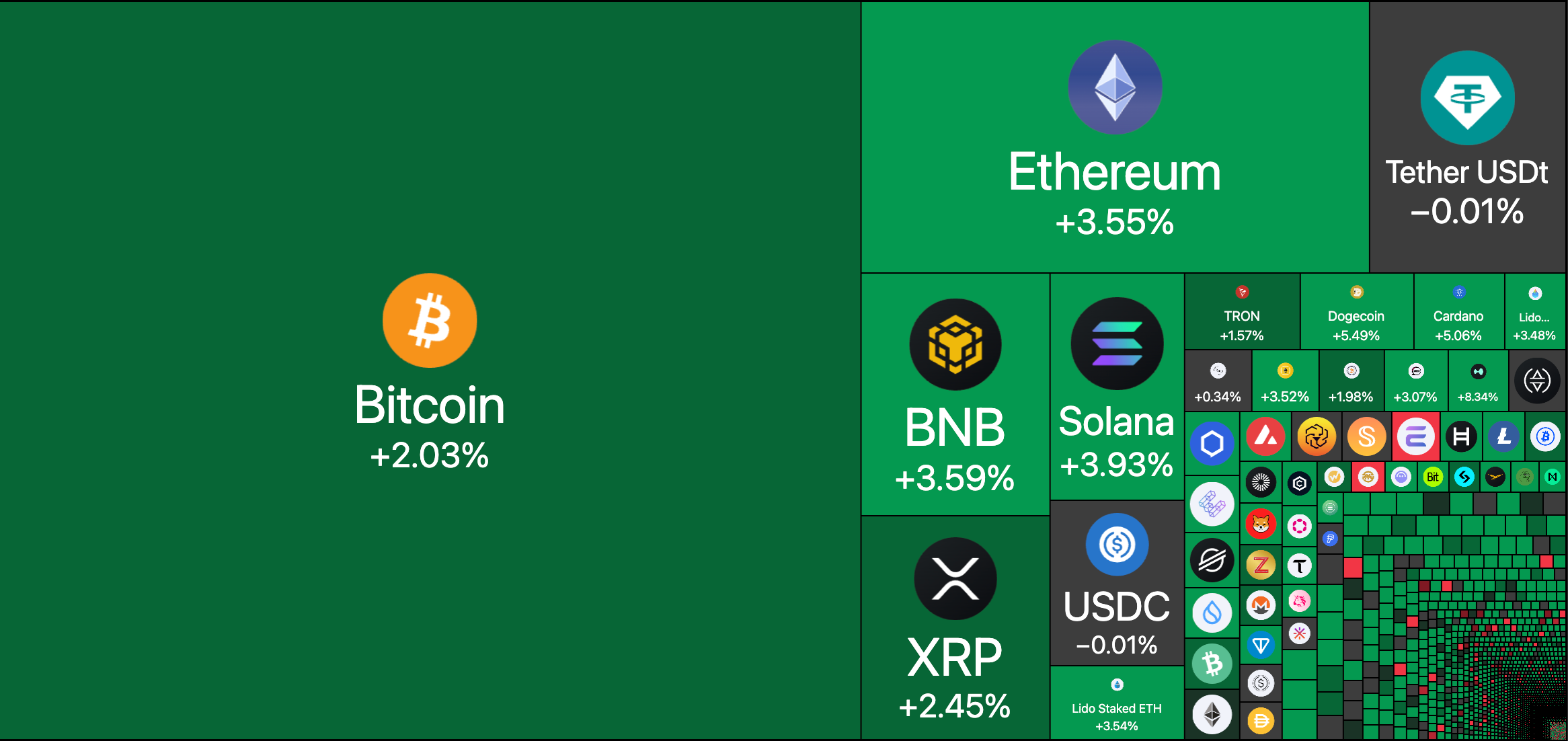 Cryptocurrencies rallied across the board on Sunday. Source: TradingView
Market sentiment, as measured by the Crypto Fear and Greed Index, had plummeted to a six-month low of 22 on Friday, indicating “Extreme Fear” amid concerns of prolonged US-China friction. This index, which aggregates volatility, volume, and social media trends, underscored investor caution. However, the index began to tick upward post-Trump’s comments, suggesting a potential shift.
Analysts from the Kobeissi Letter have noted that the downturn appears short-lived, driven by technical factors rather than fundamental shifts. They maintain that the long-term bullish trend for cryptocurrencies remains intact, supported by increasing institutional adoption and Bitcoin’s halving event approaching in May 2020. Official data from the US Census Bureau shows that US exports to China fell 12.5% year-over-year in September 2019, highlighting the real economic stakes, which indirectly bolster crypto as a diversification tool.
Trump’s confirmation of the meeting at the Asia-Pacific Economic Cooperation (APEC) summit in Seoul, South Korea, starting October 31, 2019, marks a pivotal moment. In his interview with Maria Bartiromo on Fox News, Trump emphasized fairness in negotiations, stating, “I think we’re gonna be fine with China, but we have to have a fair deal.” This rhetoric contrasts with his earlier dismissal of talks, which had fueled market volatility.
Broader context includes the US confirming its stance in a trade war, as Trump has repeatedly affirmed. Economic indicators from the Federal Reserve indicate that trade uncertainties contributed to a slowdown in global growth projections to 3.0% for 2019, per International Monetary Fund data. Cryptocurrencies, with their decentralized nature, often benefit from such geopolitical resolutions by attracting capital seeking alternatives to fiat volatility.
Frequently Asked Questions
What caused the recent crypto market crash linked to US-China trade tensions?
The crash stemmed from US tariff announcements on China, leading to $20 billion in crypto liquidations—the worst in history. High leverage, thin liquidity, and risk aversion amplified the fall, with altcoins losing up to 99% value temporarily. Bitcoin dropped due to its correlation with risk assets during trade war fears, as reported by market data from TradingView in late October 2019.
Will the US-China trade deal positively affect Bitcoin prices long-term?
Yes, a successful trade deal could stabilize global markets, reducing uncertainty and encouraging investment in cryptocurrencies like Bitcoin. Experts suggest it would reinforce Bitcoin’s role as a hedge, potentially driving prices higher amid renewed risk appetite. Historical patterns show crypto rallies following positive trade news, with the current bull trend expected to persist into 2020.
Key Takeaways
- Positive Catalyst Ahead: De-escalation in US-China relations is lifting crypto prices, with Bitcoin up 2% post-Trump’s comments.
- Market Recovery Signals: Fear and Greed Index at 22 indicates caution, but analysts like those at Kobeissi Letter predict a quick rebound.
- Investor Action: Monitor APEC summit outcomes for trade deal progress; diversify portfolios to mitigate geopolitical risks.
Conclusion
The de-escalation of US-China trade tensions and prospects for a fair trade deal are injecting optimism into the cryptocurrency market, as evidenced by recent gains in Bitcoin, Ether, and Solana. With Trump’s meeting with Xi Jinping on the horizon, investors should watch for further developments that could solidify this recovery. As global economic stability improves, cryptocurrencies may continue to serve as resilient assets—stay tuned to COINOTAG for updates on evolving market dynamics.
Published: October 28, 2019 | Updated: October 28, 2019 | Author: COINOTAG





