
JPMorgan outlines four factors behind Ethereum's outperformance over Bitcoin

Quick Take Ethereum has outperformed Bitcoin in recent weeks, and JPMorgan analysts attribute the move to four main factors. These include expected staking approval for spot Ethereum ETFs, corporate treasury purchases, SEC staff clarifications easing concerns over liquid staking tokens, and in-kind ETF redemptions boosting efficiency and liquidity.
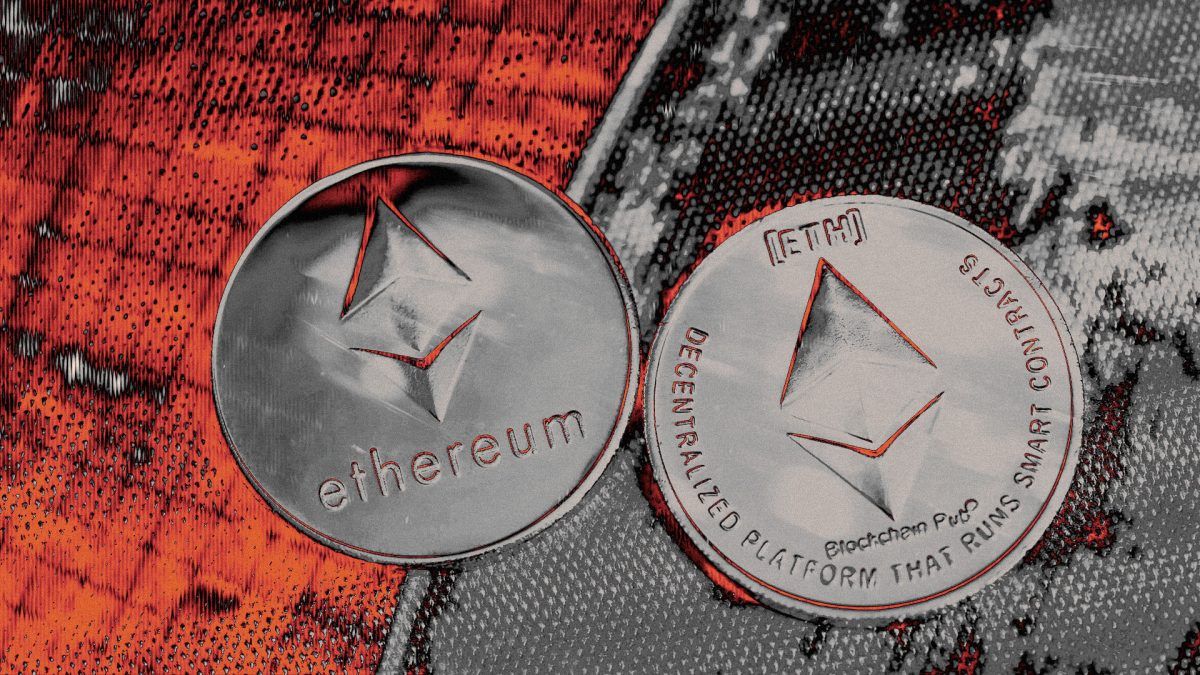
Ethereum has outpaced Bitcoin in recent weeks, with JPMorgan analysts pointing to a combination of exchange-traded fund inflows, corporate treasury adoption, regulatory clarity, and structural ETF improvements as the main drivers.
Ethereum ETFs saw a record $5.4 billion of inflows in July, matching Bitcoin ETFs for the month, JPMorgan analysts led by managing director Nikolaos Panigirtzoglou noted in a report Wednesday. While spot Bitcoin ETFs have since recorded small outflows in August, spot Ethereum ETFs have continued to attract capital, the analysts said.
Ethereum has outperformed Bitcoin, particularly since the U.S. passed the GENIUS Act stablecoin law in July, and as investors anticipate another landmark crypto market structure bill by September.
The four factors
The JPMorgan analysts highlighted four factors behind Ethereum's recent outperformance. First, the market expects the U.S. Securities and Exchange Commission to approve staking for spot Ethereum ETFs , which would allow asset managers to generate staking yields for investors without requiring them to hold the 32 ETH minimum.
Second, corporate treasuries have begun to add Ethereum , with about 10 public companies holding ETH on their balance sheets — representing 2.3% of the current circulating ETH supply. Some of these corporates are expected to run validators to earn passive staking income, while others may pursue yield through liquid staking and decentralized finance (DeFi) strategies, the analysts said.
Third, the SEC has offered staff-level clarifications suggesting that liquid staking tokens may not be treated as securities . The analysts said this has eased institutional concerns, though the statements have not yet been codified into law.
Fourth, the SEC’s recent approval of in-kind redemptions for spot Bitcoin and Ethereum ETFs will allow institutions to redeem ETF shares directly in crypto rather than converting to cash. "This brings more efficiency, a reduction in costs, and greater market liquidity to these ETFs and mitigates the need for liquidations during large withdrawals by investors," the JPMorgan analysts said.
Looking ahead, the analysts said Ethereum has more room to grow in both ETF and corporate treasury adoption when compared to Bitcoin. Corporate and institutional holdings of ETH currently lag those of BTC, leaving scope for further inflows if adoption trends continue.
Disclaimer: The content of this article solely reflects the author's opinion and does not represent the platform in any capacity. This article is not intended to serve as a reference for making investment decisions.
You may also like
BankChain Alliance forms, UOB and HSBC launch tokenized Hong Kong-dollar pilot

Bank of America Hartnett: Strong US dollar impacts global liquidity, risk assets remain difficult to enter, turning point postponed to next spring
Bank of America's chief strategist Hartnett maintains a risk-averse stance, pushing the entry window back to next spring. The US Dollar Index has hit a new yearly high, and combined with high oil prices and persistent inflation, none of his three entry conditions have been met. He now expects the US dollar to peak between February and March next year, with the end of the global rate hike cycle delayed until the Federal Reserve's meeting in April. Currently, risk assets are "too expensive to go long, but also difficult to short due to protective measures."

US Stock IPO Analysis | Juneng Technology (NENG.US): The "Middleman" in the Short Video Advertising Boom, How Long Can the Long-Tail Traffic Dividend Last?
After the fundraising scale was increased, the valuation of JN Tech grew by about 13%.

Nvidia reduces customer collateral size

Crypto prices
More


