
Trump tariffs hit U.S. stocks hard as S&P 500 falls into retracement zone
U.S. stocks maintained a downward spiral at midday on Thursday, with the Dow down more than 1,300 points, the Nasdaq down nearly 5%, and the S&P 500 falling into retracement territory. US President Donald Trump announced an additional 10% to 49% ‘reciprocal tariffs’ on almost all countries, a move that could trigger a global trade war and hit the already weak US economy. US initial jobless claims fell unexpectedly last week. Trump tariffs and OPEC+'s plan to increase production sent oil prices reeling. The Dow fell 1,309.80 points, or 3.10 per cent, to 40,915.52, the Nasdaq dropped 861.38 points, or 4.89 per cent, to 16,739.67, and the S&P 500 fell 214.50 points, or 3.78 per cent, to 5,456.47.
Disclaimer: The content of this article solely reflects the author's opinion and does not represent the platform in any capacity. This article is not intended to serve as a reference for making investment decisions.
You may also like
Japan's 20-year government bond auction sees weak demand as bid-to-cover ratio drops sharply to 3.64, marking the lowest demand of the year
Japan's 20-year government bond auction saw weak demand, with the bid-to-cover ratio falling to 3.64 and the tail widening to its largest in a year. The market is concerned about fiscal budget issues and rising yields.
Google-backed AI pharmaceutical company raises $5 billion in funding, doubling the previous round
The current funding round for Isomorphic Labs is co-led by top VCs including Sequoia Capital and Andreessen Horowitz. This round comes only six months after the previous $2.1 billion Series B, with the scale more than doubling. By 2026, total financing in the AI pharmaceutical sector has reached a record high of $23.2 billion, with Anthropic and OpenAI also entering the field.
Japanese stocks closed up by 0.28%
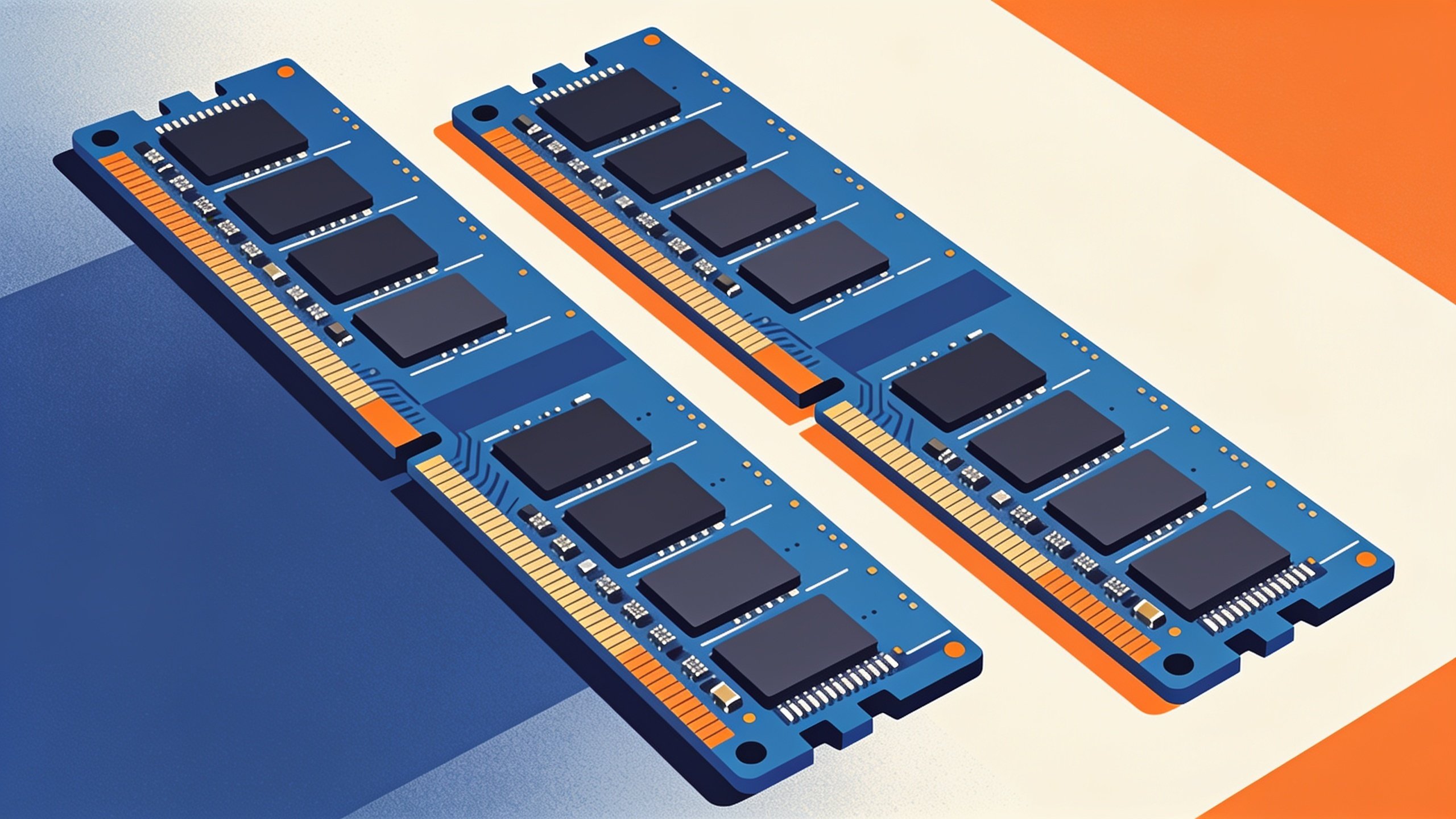
Report: Apple Plans to Establish Multi-Year DRAM Agreement with Samsung, Deliveries to Begin in First Half of 2027
Apple and Samsung are in negotiations for a long-term DRAM chip supply agreement lasting four to five years, with deliveries expected to start in the first half of 2027. The agreement is expected to include a minimum supply commitment and set pricing linked to the market. Currently, Apple is one of the few major tech companies that have yet to sign a long-term DRAM supply deal with Samsung.
Crypto prices
More


