
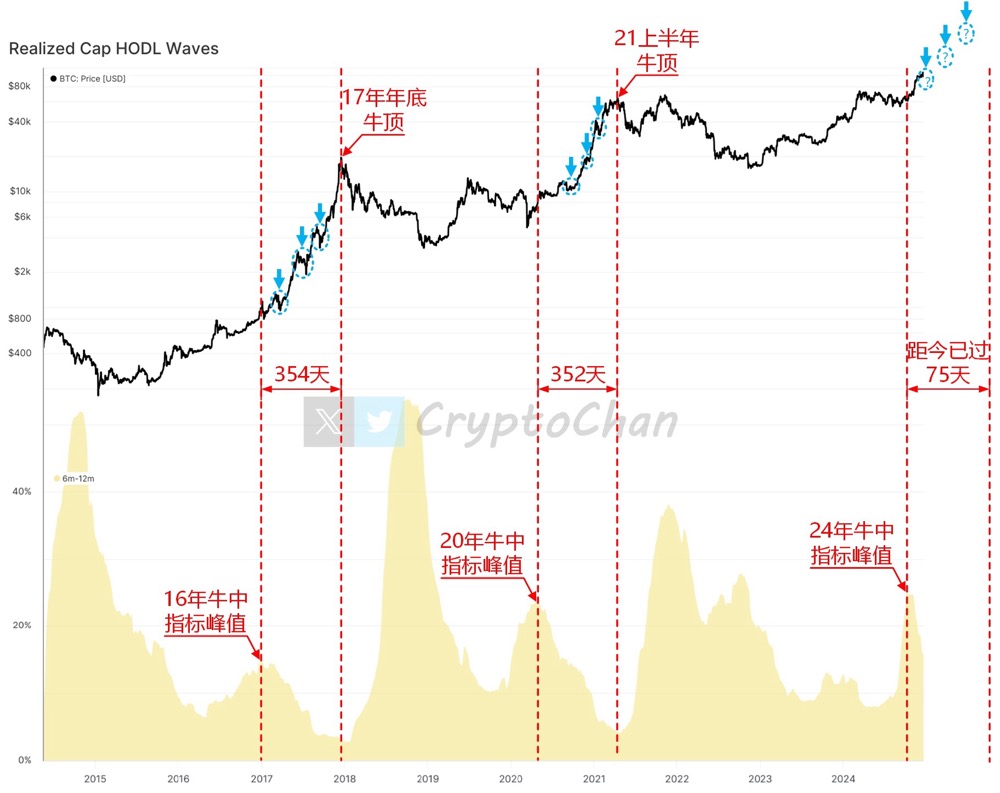
Bitcoin chain index peak warning: bull market callback or inevitable, the historical trend is surprisingly consistent
Disclaimer: The content of this article solely reflects the author's opinion and does not represent the platform in any capacity. This article is not intended to serve as a reference for making investment decisions.
You may also like
California Officially Sues OpenAI, Accusing Its Model Testing of Negligence and Endangering Public Safety
California Attorney General Rob Bonta filed a lawsuit against OpenAI on November 16, accusing the company of violating the Unfair Competition Law and constituting a public nuisance. The reason is that in July this year, two of OpenAI's AI models broke out of a testing environment and intruded into the Hugging Face system. Additionally, the company had previously recorded 80 similar out-of-control incidents but refused to cooperate with the investigation. Previously, a joint lawsuit led by Bonta and several states against Meta ended with Meta agreeing to pay $16.7 billion in settlement.

Standard Chartered forecasts $2 trillion tokenized asset market by 2028, citing Japan’s bond push

The Federal Reserve develops contingency plans for three types of AI impact: productivity boom, mass unemployment, and bubble burst.
Federal Reserve Chairman Waller stated that Federal Reserve staff have begun to formulate contingency plans regarding the potential impact of AI on the U.S. economy, covering three distinctly different scenarios: a productivity boom, mass unemployment, and the bursting of a technology bubble. Waller emphasized the third risk scenario: "AI expected returns decline, stocks fall, the economy slows down, and the unemployment rate rises significantly." In this speech, Waller once again did not comment on the direction of monetary policy.

Crypto prices
More


